
Build a House in Maine on a Budget — Smart Cost-Cutting Strategies That Don’t Sacrifice Quality

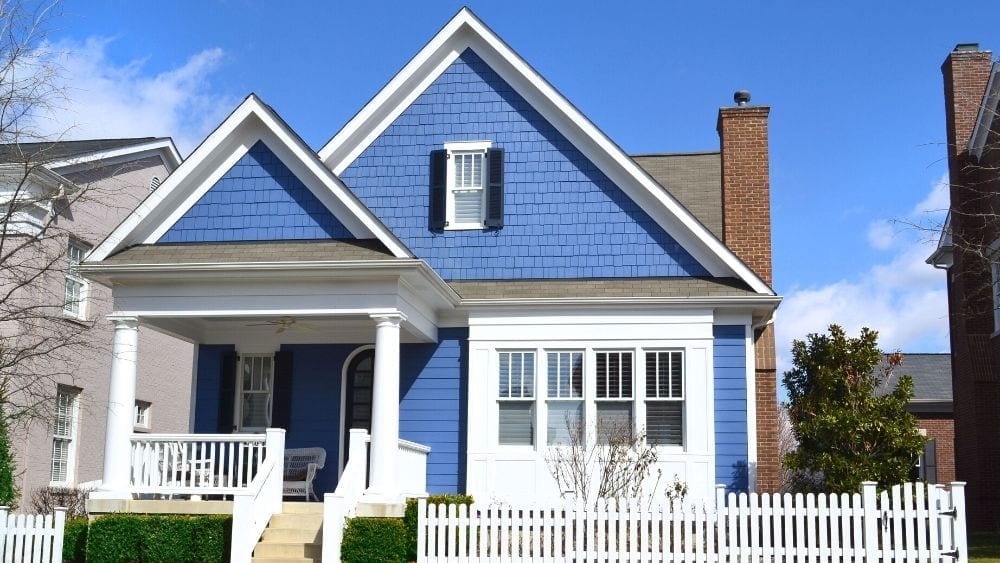
Building a house in Maine doesn’t have to drain your savings. With the right value-engineering strategies, budget-conscious Maine buyers can get a beautiful, high-quality home without sacrificing durability or energy efficiency. This guide covers the decisions that actually move the needle on your total build cost.
Understand Where the Money Actually Goes
For a 1,800–2,200 sq ft custom home in Maine, a typical budget breakdown looks like:
- Foundation & site work: 15–20% of budget
- Framing & structure: 20–25%
- Mechanical (plumbing, HVAC, electrical): 15–18%
- Exterior envelope (roofing, siding, windows): 12–15%
- Interior finishes (cabinets, flooring, trim, paint): 20–25%
- Permits, design, engineering: 5–8%
The biggest savings opportunities are in interior finishes and the exterior envelope — without compromising structural quality or energy performance.
Strategy 1: Choose Simple, Rectangular Floor Plans
Complex rooflines, bump-outs, and irregular footprints dramatically increase build cost. Every additional corner adds framing labor, exterior flashing complexity, and material waste. A clean 28×44 rectangle costs 12–18% less per square foot than equivalent square footage with multiple bump-outs. Simple doesn’t mean boring — it means efficient.
Strategy 2: Standard Window Sizes
Custom window sizes are expensive. Specifying standard dimensions saves 15–25% on window costs and cuts lead times dramatically. Standard sizing also means easier future replacement. In Maine’s climate, invest the savings into higher R-value glazing rather than unusual shapes.
Strategy 3: Value-Engineered Lumber Packages
Work with a Maine builder who provides an engineered lumber package — every stick of framing material calculated precisely via structural software. This eliminates the 15–20% material waste common in older framing practices and reduces both cost and construction debris.
Strategy 4: Phased Builds
If your budget is tight, consider a phased build approach. Build your core living space first and rough-in the plumbing and electrical for planned future additions. Finish the basement or add the primary suite when financing allows. This lets you get into your Maine home faster without over-extending your budget.
Strategy 5: Smart Finish Selections
Interior finishes are the easiest place to overspend. Budget-friendly choices that still look great:
- LVP flooring instead of hardwood (30–50% less cost, similar durability in Maine’s climate)
- Stock cabinet boxes with custom door fronts — same look, 25% less cost
- Quartz remnants for smaller countertop runs (vanities, laundry, mudroom)
- Builder-grade hardware now, upgrade to designer fixtures later
What NOT to Cut
Never skimp on: foundation quality (Maine frost depth is unforgiving), roof underlayment and flashing (ice dams are real), insulation (Maine energy costs are high — every R-value matters), and mechanical rough-in (plumbing and HVAC changes after drywall are very expensive).